
The COMPOLYTICS® ScanCorder
New Generation of Material Scanners
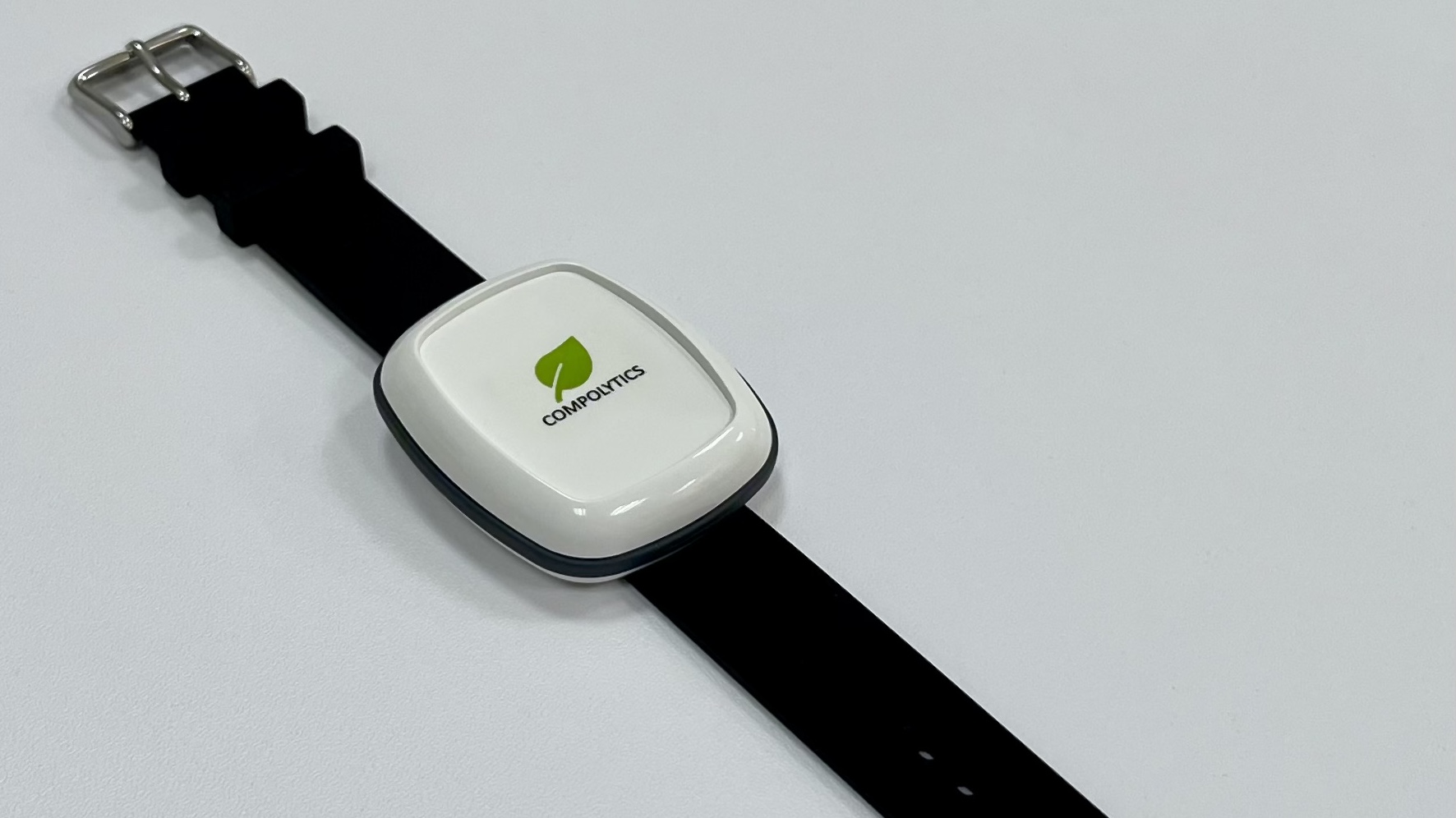
ScanCorder Handheld Device with Contact Probe
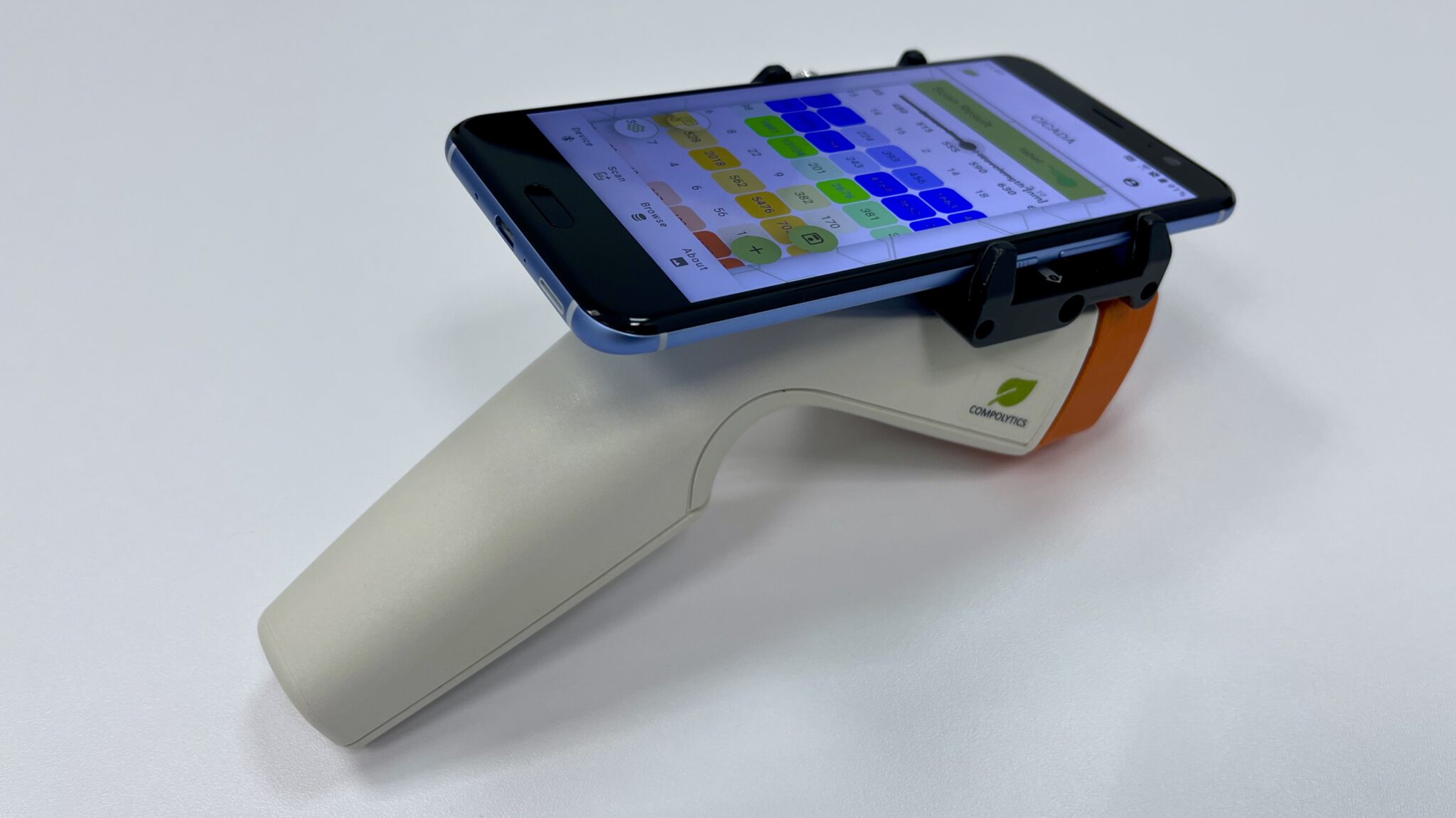


Specifications
- Excellent for solid measurement objects and bulk material
- Number of sequential LED channels: typically 12 (configurable), more on request
- Number of receiver channels: typically 10 (fixed, several sets available), more on request
- Total number of spectral bands: 120 (in general: LED channels x receiver channels)
- Spectral range: approx. 350 … 1,000 nm
- Measurement principle: reflectance
- Measurement time: approx. 2 … 5 sec
- Tailored calibration model based on machine learning
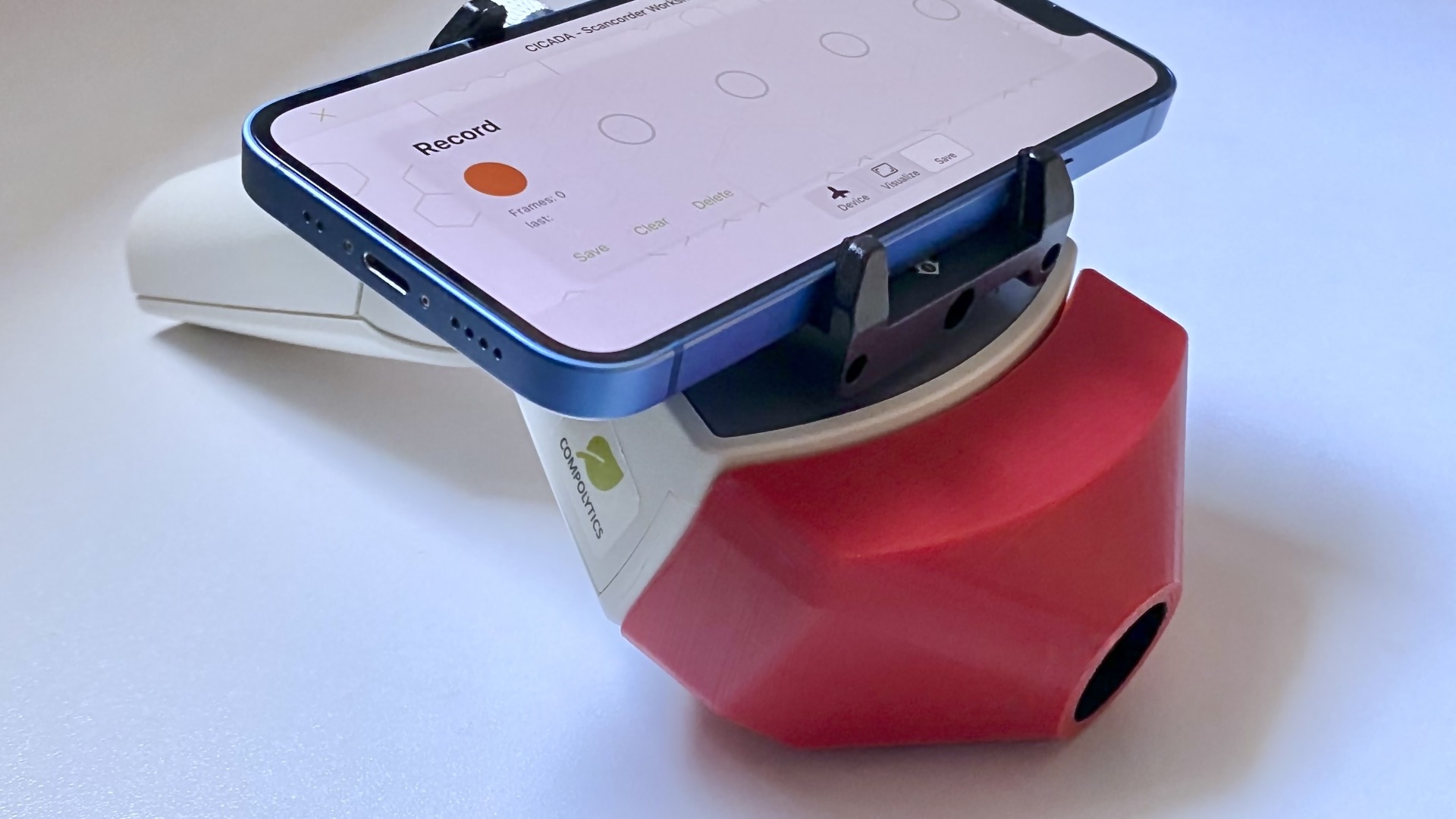
ScanCorder with Tailored Sensor Heads

Specifications
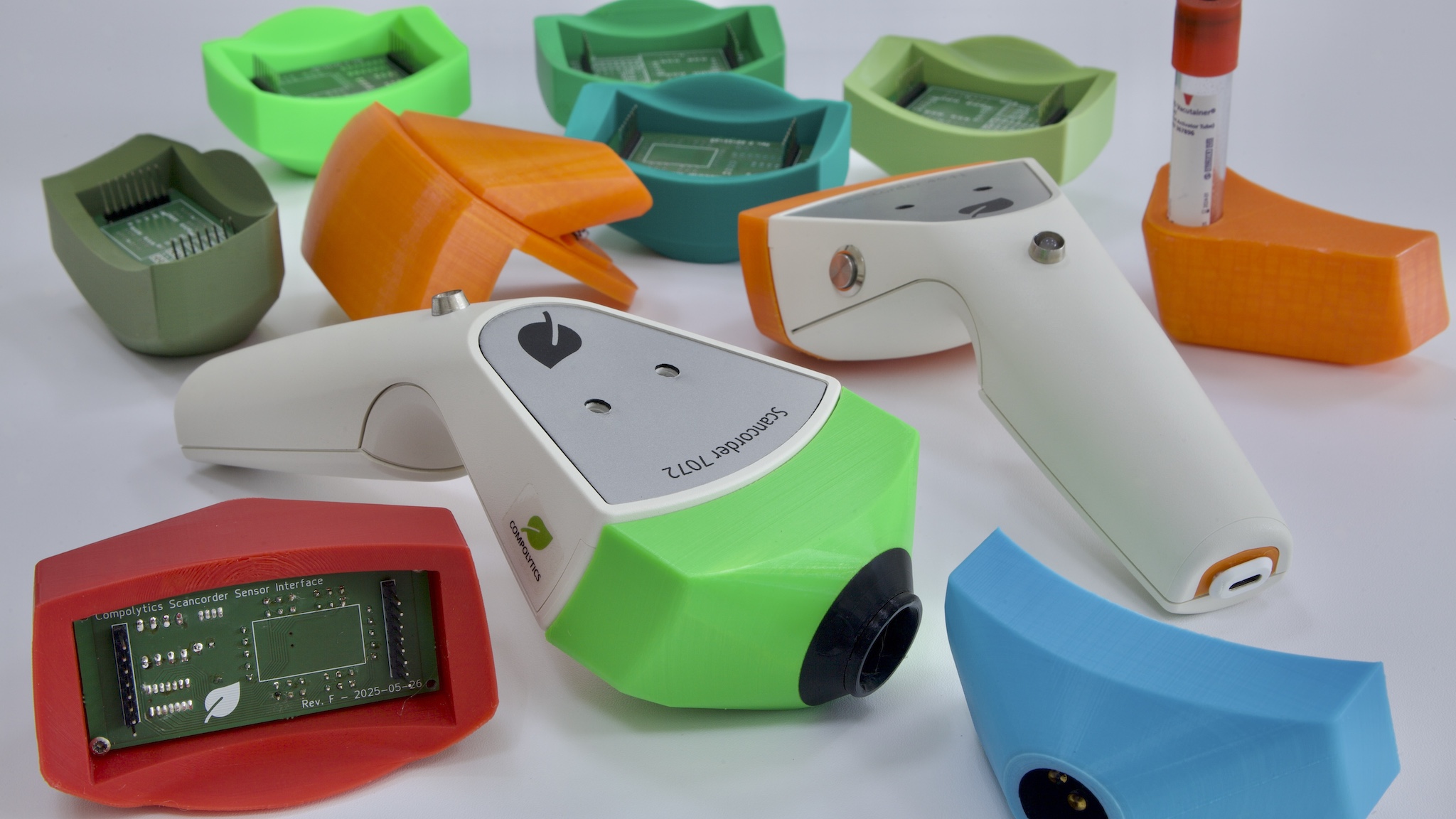
- Geometry, handling, and spectral layout optimised for specific measurement tasks
- Measurement principle: reflectance or transmission
- Tailored calibration model based on machine learning
Angular Spectroscopy
Specifications
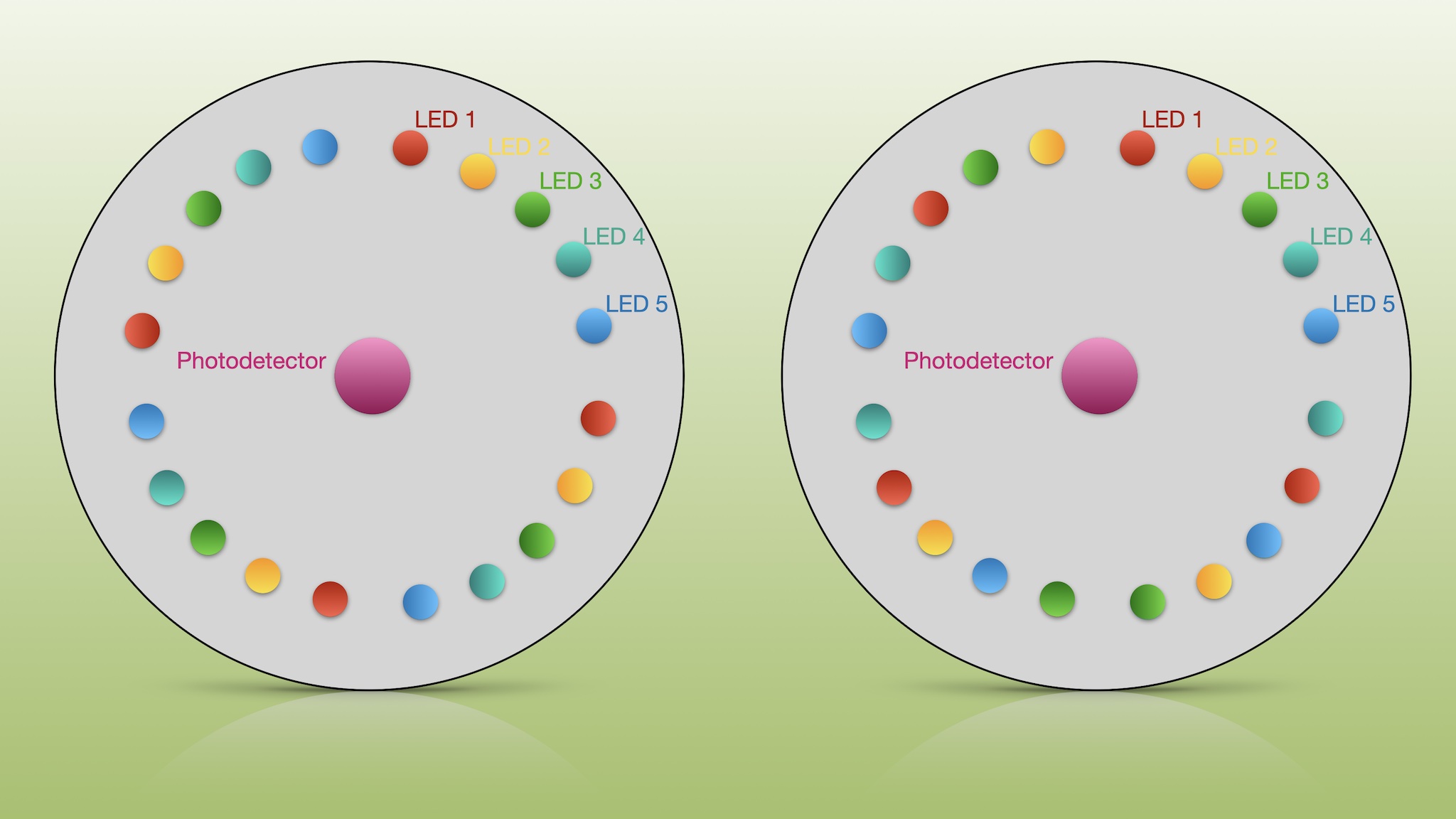
- Extending Compolytics’ unique approach of inverted spectroscopy to provide additional information about the microstructure of the material
- Samples are illuminated with an application-specific set of wavelengths, repeated at multiple angles
- Both the chemical composition and the microstructure of the sample can be scanned at the same time
- Measurement principle: reflectance or transmission
- Tailored calibration model based on machine learning
ScanCorder with Predefined Spectral Characteristics

Specifications
- Common predefined wavelength combinations available
- Equally distributed bands in specific ranges of electromagnetic spectrum, e.g., VIS, VNIR, NIR
- Implementation of common spectral indices, e.g., various vegetation indices
- BYO list of relevant spectral bands plus customised design of sensor head
- Tailored calibration model based on machine learning to translate spectral raw data into application-specific measures
ScanCorder for Liquids


Specifications
- Specifically developed for measurement of small amounts of liquids
- Number of LED channels: from 1 (wide-band, fixed, several sets available) up to 10 (narrow-band, sequential, configurable)
- Number of receiver channels: 10 (fixed, several sets available)
- Total number of spectral bands: 10 (in general: LED channels x receiver channels)
- Total number of measurement bays: up to 6 (configurable, application-specific liquid containers)
- Spectral range: approx. 350 … 1,000 nm
- Measurement principle: transmission
- Measurement time: approx. 1 … 5 sec per measurement bay
- Tailored calibration model based on machine learning
- Tailored spectral characteristics (e.g., number / position of bands) and liquid containers (e.g., geometry, material, coating) available on request
ScanCorder with Specialised Housing
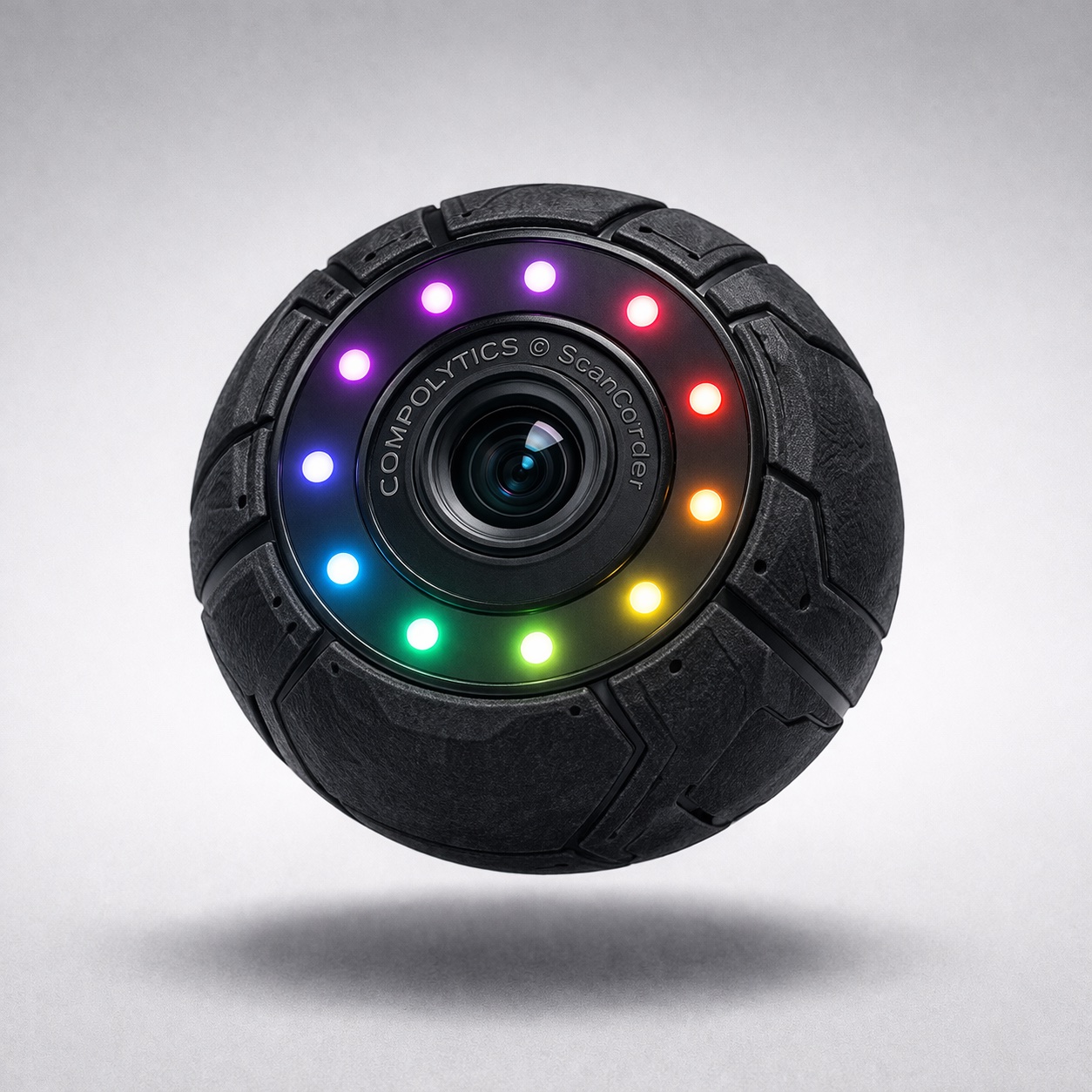
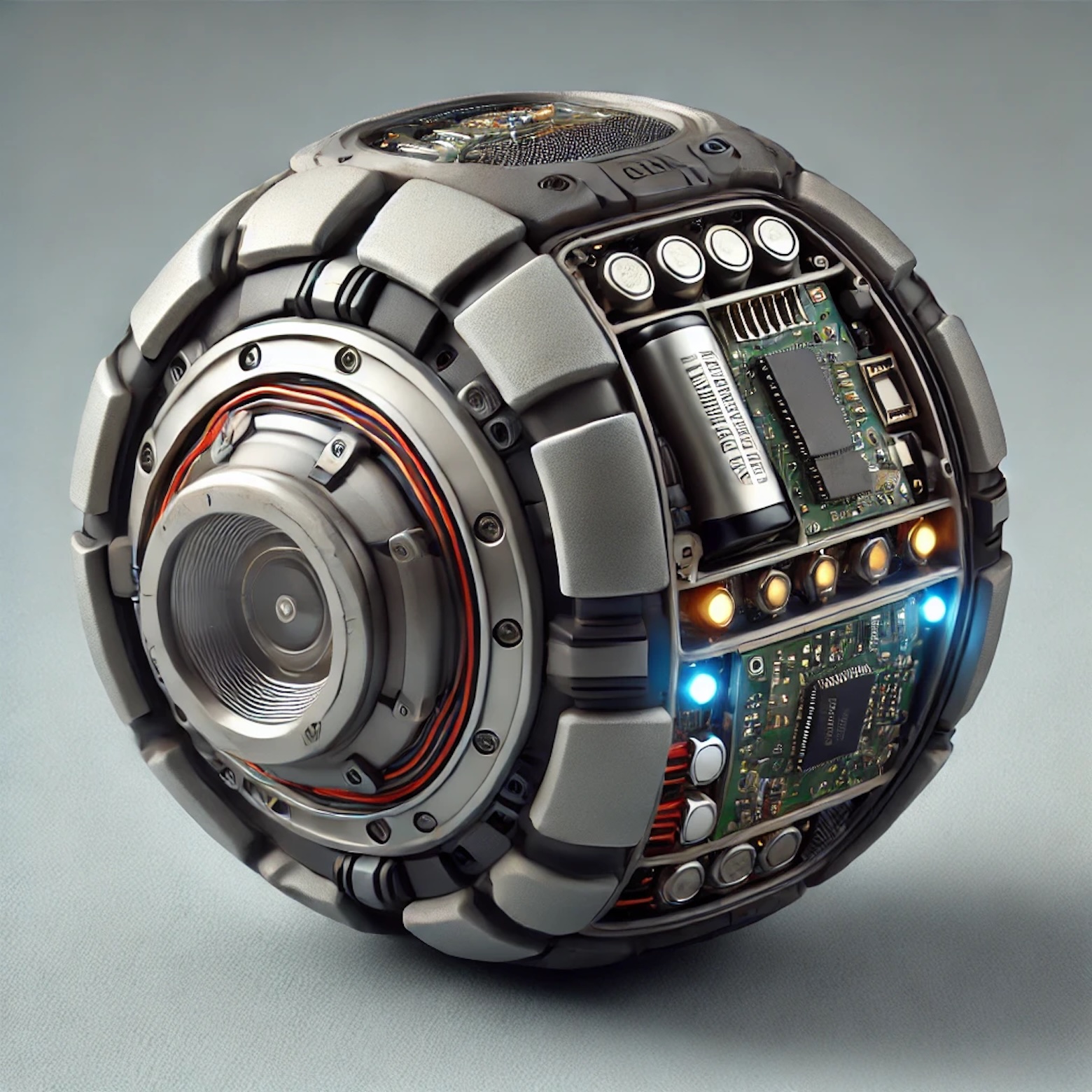
Concept Details
- Specifically developed for measurement in confined environments that are not accessible during the measurement
- In principle the same spectral characteristics and calibration models as the handheld sensors
- One or multiple borosilicate glass windows with tailored spectral sensor units
- Sensor balls use Compolytics’ proprietary Green Sensing technology
- Powered by onboard batteries, the sensors are designed to operate for extended periods without recharging
- Data transmission via radio technology in the short and medium range, e.g., BT-LE, WiFi, LPWA
- Fully waterproof, airtight, and floating; the resulting physical density is aligned with the density of the environment, usually a liquid medium, to ensure that the sensor is neither strongly buoyant and only floats on the surface, nor settles to the bottom
- The sensor ball follows the natural movement of the surrounding medium, e.g., flowing with currents or responding to mechanical stirring
- Integrates physics-aware machine learning models to analyse fluid dynamics and environmental conditions surrounding the sensor ball, enhancing its core sensor data
- Multiple sensor balls can be combined to a sensor swarm
- Explored for use in Earth observation, industry-scale continuous stirred tank reactors (CSTRs) in food processing, and beyond